

How to Get Your First Job With No Experience in South Africa
One of the biggest challenges facing young South Africans today is finding that first job.
Almost every vacancy seems to ask for previous experience, leaving many students, graduates, and first-time job seekers wondering the same thing:
“How can I get experience if nobody will hire me?”
It’s a frustrating situation, but you’re not alone.
Thousands of South Africans successfully enter the workforce every year despite having little or no formal work experience. The secret is understanding what employers are really looking for and learning how to position yourself as a valuable candidate.
The truth is that many employers don’t expect first-time job seekers to have years of experience. Instead, they look for potential, attitude, willingness to learn, and transferable skills that can be developed over time.
Whether you’ve recently completed matric, graduated from university, finished a TVET qualification, completed a learnership, or simply want to start building your career, there are practical steps you can take to improve your chances of getting hired.
In this guide, you’ll learn how to get your first job with no experience in South Africa, where to find opportunities, how to create a strong CV, how to impress employers during interviews, and what mistakes to avoid.
Table of Contents
- Why Employers Ask for Experience
- What Employers Really Look For
- Building Experience Without a Job
- How to Create a Strong CV With No Experience
- Skills Employers Value
- Where to Find Entry-Level Jobs
- Learnerships, Internships and Apprenticeships
- Networking Strategies for Beginners
- Interview Tips for First-Time Job Seekers
- Common Mistakes to Avoid
- Success Stories and Practical Examples
- Frequently Asked Questions
- Final Takeaway
Why Employers Ask for Experience
Many job seekers assume employers only care about experience.
In reality, experience is often used as a shortcut.
Employers use experience requirements because they want evidence that a candidate can:
- Follow instructions
- Work with others
- Solve problems
- Communicate effectively
- Handle workplace responsibilities
The good news is that formal employment is not the only way to demonstrate these qualities.
Experience can come from:
- Volunteer work
- School leadership roles
- Community projects
- Sports teams
- Freelance work
- Learnerships
- Internships
- Personal projects
Many employers are willing to hire inexperienced candidates who demonstrate the right attitude and potential.
What Employers Really Look For
When hiring entry-level candidates, employers often focus on character and potential rather than work history.
Reliability
Can you be trusted to arrive on time and complete tasks?
Willingness to Learn
Are you open to training and feedback?
Communication Skills
Can you communicate professionally with colleagues and customers?
Positive Attitude
Do you approach challenges with enthusiasm and professionalism?
Work Ethic
Are you willing to put in effort and take responsibility?
Many employers would rather hire someone with a great attitude and train them than hire someone experienced with a poor attitude.
The Good News About First Jobs
Your first job doesn’t need to be your dream job.
Its purpose is to help you:
- Gain experience
- Build confidence
- Develop workplace skills
- Earn references
- Strengthen your CV
Once you have your first opportunity, finding future jobs often becomes much easier.
The goal is simply to get your foot in the door.
A Different Way to Think About Experience
Instead of asking:
❌ “Do I have work experience?”
Ask:
✅ “What experiences have helped me develop valuable skills?”
For example:
A student who organized school events has demonstrated:
- Leadership
- Planning
- Communication
A volunteer who helped at community projects has demonstrated:
- Teamwork
- Responsibility
- Initiative
These experiences can be extremely valuable when applying for entry-level opportunities.
The key is learning how to present them effectively to employers.
Building Experience Without a Job

One of the biggest misconceptions among first-time job seekers is believing that experience only comes from paid employment.
The reality is that employers value many forms of experience.
If you’ve never had a formal job, you can still build a strong profile by gaining practical exposure in other ways.
Volunteer Work
Volunteering is one of the fastest ways to gain experience.
Many organizations need assistance with:
- Administrative tasks
- Event planning
- Community projects
- Customer service
- Social media management
Volunteering demonstrates initiative and a willingness to contribute.
It also gives you valuable references for future job applications.
Learnerships
Learnerships combine practical workplace training with formal learning.
They are specifically designed to help South Africans gain work experience.
Benefits include:
- Workplace exposure
- Industry skills
- Qualifications
- Monthly stipends
Many learners are offered permanent positions after successfully completing their learnerships.
Internships
If you are a graduate or a student Internships provide valuable workplace experience and are particularly useful for your career.
Internships help you:
- Understand workplace expectations
- Build professional networks
- Gain references
- Develop practical skills
Even short internships can strengthen your CV significantly.
Community Involvement
Many young people overlook the value of community activities.
Examples include:
- Youth leadership programmes
- Church projects
- Sports coaching
- Community clean-up initiatives
- Fundraising projects
These activities often develop transferable workplace skills.
Freelance Work
The internet has created opportunities for people to gain experience independently.
Examples include:
- Graphic design
- Content writing
- Social media management
- Website development
- Data entry
Even small freelance projects can demonstrate initiative and practical skills.
Personal Projects
Employers often appreciate candidates who take initiative.
Examples include:
- Creating a website
- Starting a blog
- Running a social media page
- Developing an app
- Building a portfolio
Personal projects can demonstrate real-world skills even without formal employment.
How to Create a Strong CV With No Experience
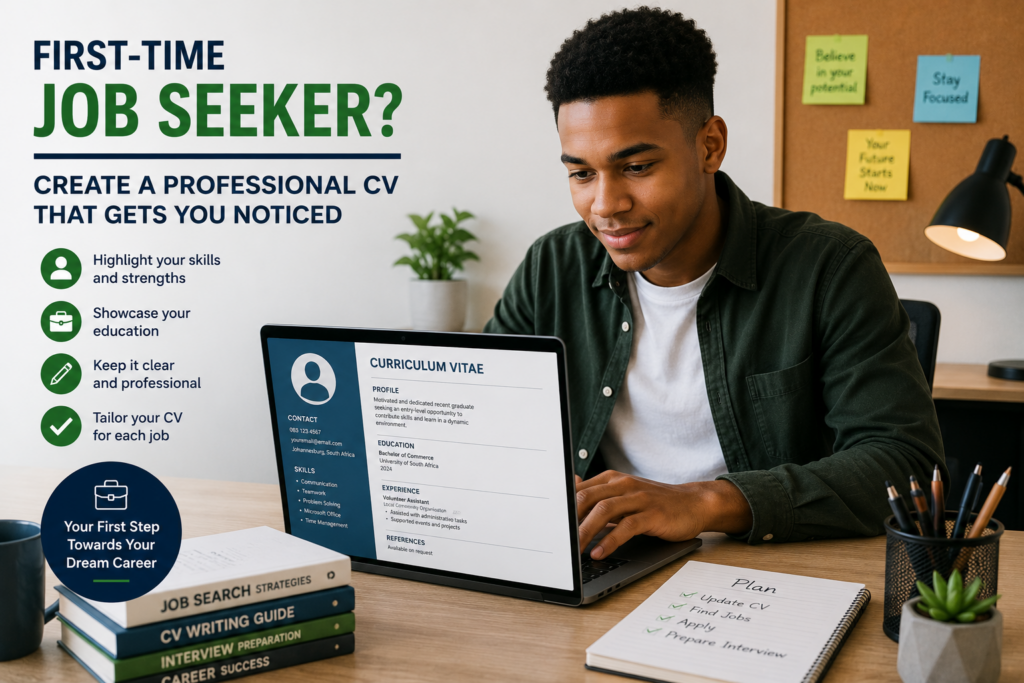
Many first-time job seekers worry that their CV will look empty.
The truth is that a CV without work experience can still be impressive if structured correctly.
The goal is to highlight your potential rather than your employment history.
Start With a Strong Professional Summary
Your professional summary should explain:
- Who you are
- Your goals
- Your strengths
- What you can offer employers
Example
Motivated and hardworking recent matriculant seeking an entry-level opportunity to develop professional skills and contribute positively to an organization. Strong communication, teamwork, and problem-solving abilities with a willingness to learn and grow.
Focus on Education
If you have limited work experience, your education section becomes more important.
Include:
- Qualifications
- Subjects
- Academic achievements
- Awards
- Leadership positions
Include Volunteer Work and Projects
Many candidates leave these sections out.
Don’t make that mistake.
Include:
- Volunteer activities
- School leadership roles
- Sports achievements
- Community involvement
- Personal projects
These experiences demonstrate valuable skills.
Highlight Skills
Employers hiring entry-level candidates often place significant emphasis on skills.
Examples include:
Soft Skills
- Communication
- Teamwork
- Adaptability
- Time Management
- Leadership
- Problem-Solving
Technical Skills
- Microsoft Word
- Microsoft Excel
- Email Communication
- Social Media
- Data Capture
- Computer Literacy
Include Certifications
Even free online certifications can strengthen your CV.
Popular options include:
- Customer Service
- Digital Marketing
- Microsoft Office
- Workplace Communication
- Health and Safety
- Project Management Fundamentals
These courses demonstrate initiative and commitment to learning.
Skills Employers Value Most
Many first-time job seekers focus entirely on qualifications.
However, employers frequently prioritize workplace skills.
Here are some of the most valuable skills employers look for.
Communication Skills
Employees communicate every day.
Whether interacting with customers, colleagues, or supervisors, strong communication skills are highly valued.
Teamwork
Most jobs require collaboration.
Employers want people who can work effectively with others.
Problem-Solving
Workplaces encounter challenges regularly.
Candidates who can think critically and find solutions often stand out.
Adaptability
Technology and workplace requirements change constantly.
Employers value candidates who can adapt and learn quickly.
Time Management
Meeting deadlines and managing responsibilities effectively are essential workplace skills.
Digital Literacy
Basic computer skills are increasingly important.
Even entry-level jobs often require:
- Email communication
- Online applications
- Data entry
- Microsoft Office
Practical Example: Matriculant With No Experience
Candidate Profile
Completed Matric
No formal work experience
School prefect
Volunteer at local community events
Skills Demonstrated
- Leadership
- Communication
- Responsibility
- Teamwork
Suitable Opportunities
- Retail Assistant
- Receptionist
- Call Centre Agent
- Learnership Participant
- Customer Service Representative
Practical Example: TVET Graduate
Candidate Profile
National Certificate in Electrical Engineering
Completed practical training
No permanent employment yet
Skills Demonstrated
- Technical knowledge
- Practical skills
- Problem-solving
- Safety awareness
Suitable Opportunities
- Apprentice Electrician
- Technician Assistant
- Maintenance Assistant
- Learnership Programmes
Practical Example: University Graduate
Candidate Profile
Bachelor’s Degree in Business Management
Completed internship
Strong communication skills
Suitable Opportunities
- Graduate Programme
- Administrative Assistant
- Human Resources Assistant
- Sales Consultant
- Junior Project Coordinator
Remember This Important Principle
Employers hiring first-time workers are often looking for potential rather than perfection.
You do not need years of experience.
You need evidence that you are:
- Reliable
- Motivated
- Professional
- Willing to learn
If you can demonstrate these qualities through your CV, applications, and interviews, you already have a strong foundation for securing your first opportunity.
Where to Find Entry-Level Jobs in South Africa
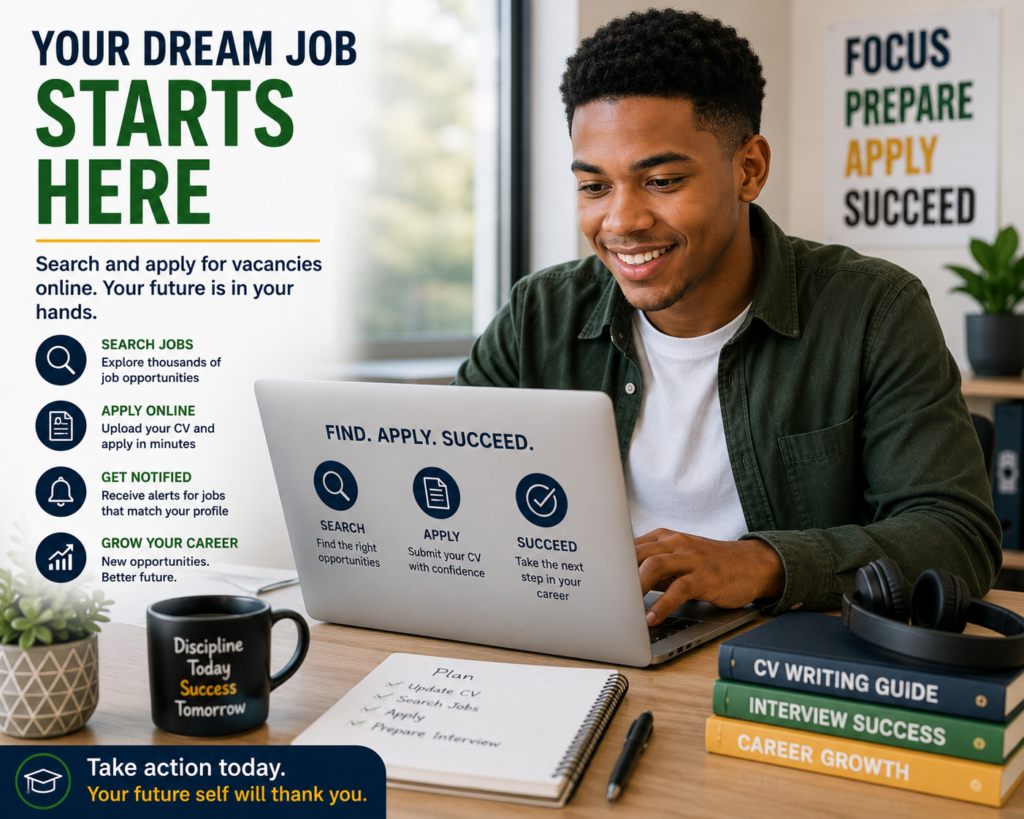
One of the biggest mistakes first-time job seekers make is relying on only one method to find work.
Successful job seekers use multiple strategies simultaneously.
The more opportunities you pursue, the greater your chances of getting hired.
Online Job Portals
Many employers advertise entry-level opportunities online.
Common vacancies include:
- Receptionists
- Call Centre Agents
- Retail Assistants
- Customer Service Consultants
- Data Capturers
- Administrative Clerks
- Graduate Trainees
When applying online:
– Complete your profile fully
– Upload an updated CV
– Apply regularly
– Enable job alerts
Company Career Pages
Many organizations advertise vacancies directly on their websites before posting them elsewhere.
Examples include:
- Banks
- Retail companies
- Telecommunications providers
- Logistics companies
- Government entities
Make it a habit to check company career pages regularly.
Learnership Programmes
Learnerships remain one of the best ways to gain experience.
They are specifically designed for people who need workplace exposure.
Benefits include:
- Practical training
- Work experience
- Qualifications
- Stipends
- Networking opportunities
Many South Africans get their first permanent job through learnership programmes.
Graduate Programmes
Graduate programmes are designed for recent graduates.
These programmes often provide:
- Structured training
- Mentorship
- Workplace exposure
- Career development opportunities
Employers understand that graduates may have limited experience.
Apprenticeships
Apprenticeships are particularly valuable for technical careers.
Popular trades include:
- Electrical
- Plumbing
- Welding
- Boilermaking
- Automotive Repair
Apprentices gain practical experience while learning from experienced professionals.
Retail and Customer Service Jobs
Retail remains one of the most accessible industries for first-time job seekers.
Common opportunities include:
- Cashiers
- Shop Assistants
- Merchandisers
- Sales Assistants
- Customer Service Representatives
These roles help develop valuable workplace skills.
Temporary and Contract Work
Many people overlook temporary opportunities.
Short-term jobs can provide:
- Experience
- References
- Networking opportunities
- Additional skills
Temporary work often leads to permanent employment.
Networking Strategies for Beginners

Many jobs are filled through referrals and recommendations.
Networking doesn’t mean asking strangers for jobs.
It means building professional relationships.
Tell People You’re Looking for Work
Let trusted contacts know you’re actively seeking opportunities.
Examples include:
- Family members
- Friends
- Lecturers
- Former teachers
- Community leaders
You never know who may hear about a vacancy.
Attend Career Events
Career fairs and recruitment events provide opportunities to:
- Meet employers
- Learn about industries
- Submit applications
- Ask questions
These events can help you stand out from candidates who only apply online.
Use LinkedIn
LinkedIn has become an important platform for professional networking.
Create a professional profile that includes:
- Education
- Skills
- Certifications
- Volunteer work
- Career interests
Many recruiters actively search for candidates on LinkedIn.
Connect With Industry Professionals
Reach out professionally to people working in careers that interest you.
Ask questions such as:
- How did you enter the industry?
- What advice would you give a beginner?
- What skills are most important?
Most professionals are willing to share advice.
How to Approach Employers Directly
Sometimes opportunities aren’t advertised.
This is known as the hidden job market.
Many businesses hire candidates who take initiative.
Visit Local Businesses
For entry-level opportunities, consider approaching businesses directly.
Examples include:
- Retail stores
- Restaurants
- Warehouses
- Small businesses
Ask politely whether they accept CVs for future vacancies.
Send Professional Emails
A simple email can sometimes open doors.
Include:
- A brief introduction
- Your CV
- A professional message expressing interest
Keep it short and professional.
Follow Up Professionally
If you haven’t received a response after a reasonable period, send a polite follow-up email.
This demonstrates initiative and professionalism.
How to Stand Out From Other Applicants
Many entry-level candidates have similar qualifications.
The difference often comes down to presentation and effort.
Customize Every Application
Avoid sending identical applications everywhere.
Adjust your:
- CV
- Cover letter
- Professional summary
to match the position.
Develop Additional Skills
Free and affordable courses can help strengthen your profile.
Consider learning:
- Microsoft Excel
- Customer Service
- Digital Marketing
- Data Entry
- Communication Skills
Additional skills can help differentiate you from other candidates.
Build a Professional Online Presence
Employers increasingly search for candidates online.
Ensure your online presence reflects professionalism.
Avoid posting content that could create a negative impression.
Show Enthusiasm
Many employers prefer enthusiastic candidates with little experience over experienced candidates who appear uninterested.
Positive attitude matters.
Success Story Example
Candidate: Lerato
After completing matric, Lerato struggled to find work because she had no experience.
Instead of giving up, she:
- Volunteered at a community organization
- Completed a free customer service course
- Updated her CV
- Applied consistently
- Attended local career fairs
Within several months, she secured an entry-level customer service role.
The experience she gained helped her qualify for future opportunities and continue growing her career.
The Reality of Finding Your First Job
Finding your first job can take time.
You may face rejection.
You may submit many applications before receiving a response.
This is normal.
Many successful professionals experienced the same challenges when starting their careers.
The key is persistence.
Every application, interview, course, and networking conversation increases your chances of success.
The people who eventually succeed are often the ones who continue moving forward despite setbacks.
Interview Tips for First-Time Job Seekers
Getting invited to an interview is a major achievement, especially when you have little or no experience.
The interview is your opportunity to show employers qualities that may not be obvious from your CV.
Remember, employers hiring entry-level candidates often focus on:
- Attitude
- Communication skills
- Reliability
- Professionalism
- Willingness to learn
Research the Company
Before attending an interview, spend time learning about the organization.
Find out:
- What products or services they offer
- Their values and mission
- Their customers
- Recent company news
This preparation demonstrates genuine interest.
Practice Common Interview Questions
Some questions appear in almost every interview.
Examples include:
- Tell us about yourself.
- Why do you want this job?
- What are your strengths?
- What are your weaknesses?
- Why should we hire you?
Practice your answers beforehand.
The goal is not to memorize responses but to become comfortable discussing your skills and experiences.
Arrive Early
Punctuality creates a positive first impression.
Aim to arrive:
- 15–20 minutes early for in-person interviews
- 10 minutes early for virtual interviews
Being late can damage your chances before the interview even begins.
Dress Professionally
You do not need expensive clothing.
However, your appearance should be:
- Neat
- Clean
- Professional
- Appropriate for the workplace
First impressions matter.
Be Honest
If you lack experience, do not try to exaggerate your achievements.
Instead, focus on:
- Your willingness to learn
- Relevant skills
- Volunteer work
- Projects
- Education
Honesty builds trust.
Common Mistakes First-Time Job Seekers Should Avoid
Many candidates make avoidable mistakes that reduce their chances of success.
Learning about these mistakes can help you stay ahead of the competition.
Applying for Only One Job at a Time
Job searching is a numbers game.
Apply for multiple suitable opportunities rather than waiting for a response from a single employer.
Giving Up Too Quickly
Many people stop applying after a few rejections.
Successful job seekers understand that persistence is essential.
Every application increases your chances.
Sending Poor Quality CVs
A rushed or poorly written CV can hurt your chances.
Always:
- Check for spelling errors
- Update information
- Tailor your CV to the vacancy
Ignoring Learnerships and Internships
Some candidates focus only on permanent jobs.
Learnerships, internships, and apprenticeships often provide the experience employers want.
Not Following Instructions
Employers frequently provide application instructions.
Failure to follow them can result in automatic rejection.
Always read vacancy advertisements carefully.
Neglecting Personal Development
Even while searching for work, continue developing your skills.
Complete courses.
Attend workshops.
Build your knowledge.
Employers notice candidates who invest in themselves.
Frequently Asked Questions
1. Can I get a job without experience in South Africa?
Yes.
Many employers hire entry-level candidates based on potential, attitude, qualifications, and transferable skills rather than formal work experience.
2. What is the easiest first job to get?
Common entry-level opportunities include:
- Retail Assistant
- Cashier
- Call Centre Agent
- Receptionist
- Administrative Assistant
- Customer Service Representative
3. Should I apply for jobs if I don’t meet every requirement?
Yes.
If you meet most of the requirements and believe you can perform the role, it is often worth applying.
4. How many jobs should I apply for each week?
There is no fixed number.
However, applying consistently to multiple relevant vacancies increases your chances of success.
5. What if I don’t receive interview invitations?
Review your:
- CV
- Cover letter
- Application strategy
Consider asking for feedback and improving your approach.
6. Are learnerships worth it?
Absolutely.
Learnerships provide valuable workplace experience, skills development, and networking opportunities.
7. Can volunteering help me get a job?
Yes.
Volunteer work demonstrates initiative, responsibility, and commitment while helping you gain references and experience.
8. How important is networking?
Networking is extremely valuable.
Many opportunities are discovered through personal and professional connections.
9. What skills are most important for first-time job seekers?
Some of the most important skills include:
- Communication
- Teamwork
- Problem-Solving
- Adaptability
- Time Management
- Computer Literacy
10. How long does it take to get a first job?
The timeline varies.
Some people find work quickly, while others may need several months of consistent applications and networking.
Persistence is critical.
Conclusion
Getting your first job with no experience in South Africa may seem difficult, but it is far from impossible.
Every year, thousands of young South Africans successfully enter the workforce despite having limited employment history.
The key is understanding that employers are often looking for more than experience.
They want people who are reliable, motivated, professional, and willing to learn.
By building skills, gaining experience through volunteering, internships, learnerships, and community involvement, and presenting yourself effectively through a strong CV and interview performance, you can significantly improve your chances of success.
Remember that your first job is only the beginning.
It is a stepping stone that helps you build experience, confidence, and opportunities for future career growth.
Final Takeaway
If you’re trying to get your first job with no experience in South Africa, focus on these key actions:
– Build experience through volunteering and projects
– Create a professional CV
– Develop valuable workplace skills
– Apply consistently
– Network with professionals
– Consider learnerships and internships
– Prepare thoroughly for interviews
– Stay persistent and positive
Your first opportunity may not arrive immediately, but every step you take brings you closer to your goal.
The candidates who succeed are not always the most experienced.
They are often the most prepared, determined, and willing to keep going when others stop.
Start today, stay consistent, and your first job could be closer than you think.
Also Read:
30 High-Paying Careers in South Africa and Their Salary Expectations
How to Write a Winning CV in South Africa
50 Common Job Interview Questions and Answers in South Africa
How to Choose the Right Career Path in South Africa (For Students and Adults)