

Finding the right career path can feel overwhelming, especially in a country like South Africa where the job market is constantly evolving. Between the rise of technology, the demand for specialised skills, and opportunities in essential industries, choosing the right career is about aligning your passion with market needs.
At The Career Wiz, we believe that the more informed you are, the better decisions you make. Knowing which careers are in demand—and what they pay—can help you plan your future wisely. Let’s explore the most in-demand careers in South Africa, what they involve, and how to prepare for them.
1. Information Technology (IT) and Software Development

Technology has become the backbone of nearly every industry, and South Africa is no exception. From banking apps and e-commerce platforms to government systems and tech startups, the demand for skilled IT professionals continues to grow at an unprecedented pace. Careers in software development, cybersecurity, cloud computing, and data analysis are not just high-paying—they are also versatile and future-proof. In fact, many South African IT professionals now work remotely for international clients, opening doors to global experience and competitive salaries without leaving home. For example, a software developer in Cape Town might work on a project for a fintech company in London, while a cybersecurity specialist in Johannesburg helps secure networks for a multinational corporation in the US.
Salary insight
Entry-level software developers typically earn between R20,000–R30,000 per month, which can grow rapidly with experience. Specialists in high-demand areas, such as artificial intelligence, machine learning, or cybersecurity, can earn anywhere from R50,000 to R80,000 per month. Senior engineers working on international projects or leading development teams may earn even more, sometimes exceeding R100,000 per month, especially when freelancing for overseas clients.
How to prepare
Breaking into IT doesn’t always require a traditional degree, although formal education can certainly help. Many successful developers start by learning coding online through platforms like Udemy, Coursera, or LinkedIn Learning, where courses range from web development and Python programming to advanced AI and cloud computing. South Africa also offers tech bootcamps such as WeThinkCode and HyperionDev, which fast-track learners into practical, hands-on software development roles. Building a strong portfolio on GitHub is essential—employers want to see real projects, not just certificates. Even small projects, like creating a budgeting app for your community or automating tasks for a local business, demonstrate practical skills. Additionally, staying updated with tech trends, contributing to open-source projects, and participating in hackathons or online coding competitions can give you an edge over other candidates.
Ultimately, a career in IT offers both stability and flexibility. Whether you dream of working for a tech giant, launching your own software startup, or freelancing with clients worldwide, the opportunities are endless. By continuously building your skills and showcasing your work, you position yourself to thrive in one of South Africa’s fastest-growing and most dynamic industries.
2. Healthcare Professionals

Healthcare remains one of South Africa’s most essential and high-demand sectors, with careers ranging from doctors and nurses to pharmacists, radiographers, and occupational therapists. The need for skilled healthcare professionals is especially pronounced in rural and underserved areas, where clinics and hospitals often struggle to fill positions. Beyond urban centers like Johannesburg, Cape Town, and Durban, small towns and rural communities rely heavily on dedicated medical staff to provide essential care, making these roles not only financially rewarding but also deeply impactful on society.
South Africa’s healthcare sector is also known for offering long-term stability and career growth. As the population grows and healthcare demands increase, opportunities continue to expand in both public and private institutions. For instance, a registered nurse working in a public hospital in KwaZulu-Natal may gain experience in multiple departments, from emergency care to maternity wards, while also having opportunities to take on supervisory roles. Doctors, meanwhile, can specialise in high-demand areas like cardiology, anaesthesiology, or paediatrics, which not only increases their earning potential but also positions them as experts in critical medical fields. Pharmacists and allied health professionals such as physiotherapists and occupational therapists are similarly sought after, particularly in private clinics, rehabilitation centers, and specialized medical facilities.
Salary insight
Registered nurses typically earn between R25,000–R35,000 per month, depending on experience, location, and the type of facility. Doctors’ salaries vary more widely, ranging from R60,000 to R120,000 per month, with specialists often earning significantly more. Allied health professionals can earn between R20,000–R50,000 per month, with opportunities to increase income by taking on private practice or consulting roles.
How to prepare
Entering the healthcare field requires dedication and careful planning. Start by focusing on your studies and ensuring you meet the academic requirements for your chosen profession. Look into bursaries such as the Department of Health Funza Lushaka funding, which helps students pursue degrees in priority areas. Consider specialising in areas with high demand—ICU nursing, emergency care, radiography, and occupational therapy are excellent options. Gaining practical experience through internships, volunteer programs, or hospital rotations is equally important; for example, volunteering at a rural clinic during university can give you firsthand insight into patient care while building your CV. Continuous professional development is also critical—attending workshops, online courses, and conferences keeps your skills current and enhances your career prospects.
Ultimately, a career in healthcare in South Africa is more than just a job; it’s a chance to make a tangible difference in people’s lives while building a rewarding and stable career. With the right preparation, commitment, and ongoing skill development, you can thrive in this ever-important and respected industry.
3. Skilled Trades and Artisans
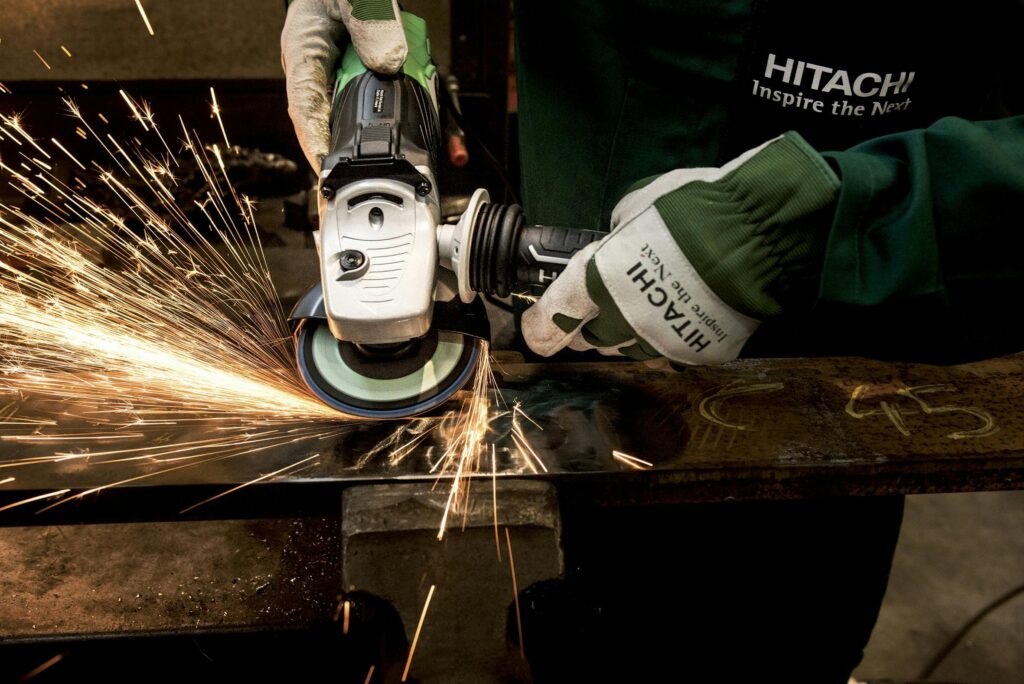
Not all high-demand careers require a university degree, and South Africa’s skilled trades sector is a perfect example of this. Electricians, plumbers, welders, mechanics, and carpenters are desperately needed across the country, from bustling urban centers to rural towns. These careers offer not only job security but also the potential to start your own business, making them ideal for people who want independence and a clear path to financial growth.
The shortage of skilled artisans in South Africa means that demand often outpaces supply, resulting in competitive salaries and numerous opportunities. For example, a qualified electrician working on residential or commercial projects in Johannesburg can consistently secure work, while a plumber or welder in Durban may find freelance projects or contracts through construction companies or maintenance services. Skilled artisans also often benefit from word-of-mouth referrals in local communities, which can grow their client base rapidly if they deliver quality service. Additionally, many tradespeople eventually start small businesses—imagine a welding business specializing in custom gates and furniture, or a mobile mechanic service that travels to clients’ homes—which can dramatically increase earnings and provide long-term financial security.
Salary insight
Entry-level artisans typically earn R15,000–R25,000 per month, depending on the trade and location. Experienced professionals can earn R30,000–R50,000 per month, while those who run their own businesses often surpass R50,000 per month, especially if they expand their services or take on larger commercial contracts.
How to prepare
The path into skilled trades combines formal education, hands-on training, and practical experience. Many artisans start at TVET colleges or registered training institutions, where they can earn qualifications in their chosen field. Apprenticeships and learnerships are also highly valuable, providing paid on-the-job training that builds real-world skills while earning income. For example, an aspiring electrician might spend a few years apprenticing with a licensed company before becoming certified, gaining both technical skills and practical problem-solving experience. Networking within local communities and trade associations is equally important, as many contracts and opportunities are shared through word-of-mouth and professional connections.
Skilled trades are also adaptable and resilient. Even during economic downturns, demand for basic services like plumbing, electrical repairs, and vehicle maintenance remains steady. By investing in quality training, gaining experience, and delivering reliable service, skilled artisans in South Africa can enjoy a career that is both rewarding and sustainable, with the flexibility to eventually branch out into entrepreneurship.
4. Finance and Accounting

In South Africa, finance and accounting remain core pillars for businesses of all sizes. Every company—from small startups to multinational corporations—needs skilled professionals to manage money, ensure compliance, and drive growth. This makes careers in accounting, auditing, financial analysis, and management not only highly in demand but also versatile, with opportunities across nearly every industry.
Accounting isn’t just about crunching numbers; it’s about helping businesses make informed decisions. For example, a financial analyst in Cape Town might help a tech startup determine whether to expand into a new market, while an auditor in Johannesburg ensures that a major retail company stays compliant with South African Revenue Service (SARS) regulations. Similarly, management accountants provide critical insights that guide budgeting, forecasting, and strategic planning. These roles can lead to senior positions such as CFOs or financial directors, making it a career path with long-term growth potential.
Salary insight
Entry-level accountants in South Africa typically earn between R18,000–R25,000 per month, while senior accountants or auditors can earn R40,000–R70,000 per month. Chartered Accountants (CA(SA)) who specialise in corporate finance or work internationally can earn upwards of R100,000 per month, especially in senior management or consulting roles. Financial analysts, investment advisors, and finance managers also enjoy competitive salaries, particularly if they work for multinational companies or in high-demand industries like banking, insurance, or fintech.
How to prepare
Building a career in finance and accounting requires a combination of formal education, certifications, and practical experience. Start with a degree or diploma in accounting, finance, or economics. For those aiming to reach the top levels, professional qualifications like CA(SA), ACCA, or CIMA are essential, as they significantly increase your credibility and earning potential. Practical experience is equally important—internships, learnerships, and graduate programs provide exposure to real-world accounting, auditing, and financial analysis. For instance, joining a graduate program at a bank or auditing firm not only builds technical skills but also helps you understand how financial decisions impact business operations.
Networking is another critical component. Joining professional bodies such as the South African Institute of Chartered Accountants (SAICA) or attending finance-related seminars can connect you with mentors, potential employers, and peers who can help advance your career. Additionally, staying up-to-date with digital accounting tools, financial software, and emerging trends like fintech innovations or blockchain applications can give you a competitive edge in an increasingly tech-driven industry.
Ultimately, a career in finance and accounting in South Africa offers stability, strong earning potential, and numerous paths for growth. With dedication, strategic planning, and continuous skill development, you can secure a role that not only provides financial security but also positions you as an invaluable contributor to any business or organization.
5. Digital Marketing and E-Commerce

In today’s digital age, businesses of all sizes are moving online, creating a massive demand for professionals skilled in digital marketing and e-commerce. South Africa is no exception—brands need experts who can grow their online presence, drive sales, and engage customers across multiple platforms. Careers in SEO, social media management, content creation, email marketing, and e-commerce store management are highly sought after and provide flexible opportunities, whether working for a company, freelancing, or running your own business.
The beauty of this industry is that it rewards results. For example, a social media manager in Johannesburg might grow a local fashion brand’s Instagram following from 5,000 to 50,000 in six months, directly impacting sales and brand awareness. Similarly, an e-commerce specialist in Cape Town could optimise a Shopify or WooCommerce store, improving user experience and boosting monthly revenue by thousands of Rands. Freelancers can also work with clients worldwide, providing services like email marketing campaigns, content strategy, or Facebook Ads management—all from home.
Salary insight
Entry-level digital marketers in South Africa typically earn between R12,000–R18,000 per month, while mid-level professionals can earn R20,000–R35,000 per month. Digital marketing managers and e-commerce specialists often make R40,000–R60,000 per month, with freelance professionals potentially earning more depending on their client base and project scope. Those who specialise in high-demand areas like SEO, paid advertising, or conversion rate optimisation are often able to command premium rates.
How to prepare
Building a career in digital marketing or e-commerce requires both technical knowledge and practical experience. Start by learning key tools and platforms—Google Ads, Facebook/Meta Ads, Instagram growth strategies, Shopify, and Google Analytics are foundational skills. Online platforms such as Udemy, Coursera, LinkedIn Learning, and local workshops provide accessible courses for beginners and advanced learners alike. Hands-on experience is critical: consider managing campaigns for a small local business, running your own online store, or creating a personal brand online. These projects demonstrate tangible results to potential employers or clients.
Networking is also vital in the digital space. Join local marketing groups, online communities, and attend conferences or webinars to learn from industry experts and discover new opportunities. Freelancers should focus on building a strong online presence and portfolio, showcasing past campaigns, measurable results, and client testimonials.
Ultimately, digital marketing and e-commerce in South Africa offer versatility, growth, and the chance to work across industries. Whether you dream of managing online campaigns for a multinational, launching your own e-commerce store, or working remotely for global clients, this field offers endless opportunities to learn, earn, and make an impact. With dedication, creativity, and continuous upskilling, you can build a highly rewarding career in one of the country’s fastest-growing sectors.
6. Engineering

Engineering remains one of South Africa’s most in-demand and respected career paths. From civil and mechanical to electrical and chemical engineering, professionals in this field play a critical role in building and maintaining the country’s infrastructure, powering industries, and supporting technological innovation. South Africa’s growing economy, urban development projects, and renewable energy initiatives all contribute to a steady demand for engineers across the nation.
For example, civil engineers are needed to design and oversee construction projects such as roads, bridges, and commercial buildings, ensuring both safety and efficiency. Electrical engineers are in high demand in sectors ranging from power generation to telecommunications, often working on projects that improve energy distribution or modernize urban systems. Mechanical engineers contribute to manufacturing, automotive design, and industrial machinery, solving practical problems that keep industries running smoothly. Specialized engineers, such as those working in renewable energy or robotics, are increasingly sought after as South Africa embraces green technologies and innovation.
Salary insight
Entry-level engineers in South Africa typically earn between R20,000–R30,000 per month, depending on discipline and location. With experience, engineers can expect salaries ranging from R40,000–R70,000 per month, and senior engineers or project managers can earn even more, especially when working on large-scale or specialized projects. Those who consult internationally or manage major infrastructure developments can surpass R100,000 per month, reflecting the high value of their expertise.
How to prepare
Pursuing a career in engineering requires both academic dedication and practical experience. Start with a recognized engineering degree from an accredited university, and ensure you register with the Engineering Council of South Africa (ECSA) to gain professional recognition. Practical experience is key: internships, industry placements, and participation in real-world projects during your studies provide hands-on learning that complements theoretical knowledge. For instance, a student mechanical engineer might intern with a local automotive company to gain experience in production lines, while a civil engineering student could assist on a municipal infrastructure project.
Networking is also vital—joining professional associations, attending conferences, and connecting with experienced engineers can open doors to mentorship and job opportunities. Engineers who continuously upskill by learning new technologies, software, and sustainable practices are better positioned to remain competitive in a rapidly evolving industry.
Ultimately, engineering in South Africa offers stability, career growth, and the opportunity to contribute meaningfully to society. Whether your goal is to work on cutting-edge renewable energy projects, build urban infrastructure, or design innovative machinery, a career in engineering provides both challenge and reward. By combining education, practical experience, and ongoing professional development, you can secure a future in one of the country’s most respected and high-demand professions.
7. Education and Teaching

Teaching remains one of South Africa’s most essential and rewarding careers. From early childhood development to high school STEM subjects, skilled educators are in high demand across both public and private schools. The profession offers stability, opportunities for growth, and the chance to make a meaningful impact on the lives of students and the community. Particularly in rural areas, qualified teachers are critical, helping to shape the future of the next generation and bridge gaps in education.
Teachers play a variety of roles beyond the classroom. For example, a STEM teacher in Johannesburg may inspire students to pursue careers in engineering or IT, while a primary school teacher in KwaZulu-Natal could provide foundational skills that set children on a path to lifelong learning. Private schools, international schools, and specialized institutions often offer higher salaries and additional benefits, while public schools provide opportunities to work in diverse environments that strengthen both teaching skills and adaptability.
Salary insight
Entry-level teachers in South Africa typically earn between R20,000–R30,000 per month, depending on qualifications, location, and whether they work in public or private institutions. Experienced teachers, department heads, and principals can earn significantly more, with salaries ranging from R35,000–R60,000 per month, and specialized educators in high-demand subjects such as mathematics, science, and technology can command higher pay.
How to prepare
Becoming a successful teacher requires both formal education and hands-on experience. Start by enrolling in a teaching degree or diploma, and explore bursary opportunities like the Funza Lushaka Bursary Programme, which funds studies for priority subjects and supports students committed to teaching in South African schools. Gaining practical classroom experience during training is essential; for example, student teachers can volunteer in under-resourced schools or after-school programs to develop real-world teaching skills and adapt to diverse learning environments.
Professional development is also key. Attend workshops, online courses, and conferences to stay updated with modern teaching methods, curriculum changes, and educational technology. Integrating tools such as smartboards, online learning platforms, and interactive teaching apps can enhance student engagement and learning outcomes. Networking with fellow educators and joining professional associations can also provide mentorship, resources, and access to new career opportunities.
Ultimately, a career in education in South Africa offers more than just a paycheck—it’s a chance to shape futures, inspire learning, and contribute meaningfully to society. With the right training, dedication, and ongoing professional development, teachers can enjoy a fulfilling career that combines purpose, stability, and growth.
8. Logistics and Supply Chain Management

In South Africa, logistics and supply chain management have become critical to the success of nearly every industry. From retail and manufacturing to e-commerce and agriculture, businesses rely on skilled professionals to ensure that products are delivered efficiently, costs are controlled, and operations run smoothly. The demand for supply chain experts continues to grow, especially as online shopping and global trade expand, creating a wealth of opportunities for those with the right skills.
For example, a supply chain manager in Cape Town might coordinate shipments for a large supermarket chain, ensuring products arrive on time while minimising costs. In Durban, a logistics coordinator could manage import and export operations at a busy port, solving real-world problems such as delays, customs challenges, and inventory shortages. Even small and medium-sized businesses rely heavily on logistics professionals to optimise processes, reduce waste, and improve customer satisfaction. The field is dynamic, challenging, and offers a clear pathway to senior management or entrepreneurship in areas like freight forwarding, warehousing, or distribution services.
Salary insight
Entry-level positions in logistics or supply chain management typically pay between R15,000–R25,000 per month. With experience and specialised skills, mid-level professionals can earn R30,000–R50,000 per month, while senior managers or directors overseeing large supply chains often make R40,000–R80,000 per month. Professionals who gain international experience or work for multinational corporations may earn even more, reflecting the high value of their expertise.
How to prepare
The path into logistics and supply chain management combines formal education, practical experience, and strategic problem-solving. Start with a diploma or degree in supply chain management, logistics, or business administration. Gaining practical experience is crucial—internships or learnerships with companies like Takealot, Shoprite, Pick n Pay, or shipping and freight companies provide hands-on exposure to real-world supply chain operations.
Developing skills in technology and analytics is also important. Modern supply chains rely heavily on software systems like ERP (Enterprise Resource Planning), inventory management tools, and transport management systems. Being able to analyse data to forecast demand, track inventory, and optimise routes makes you a valuable asset to any business. Networking through professional associations, attending workshops, and joining logistics communities can also open doors to mentorship and new job opportunities.
A career in logistics and supply chain management offers not only financial stability but also opportunities for growth and global exposure. Whether you aspire to manage large-scale operations, start your own distribution business, or specialise in a niche area like e-commerce logistics, South Africa’s growing market ensures that skilled professionals are always in demand. By combining education, hands-on experience, and ongoing professional development, you can build a rewarding career in this essential and dynamic industry.
9. Renewable Energy Specialists
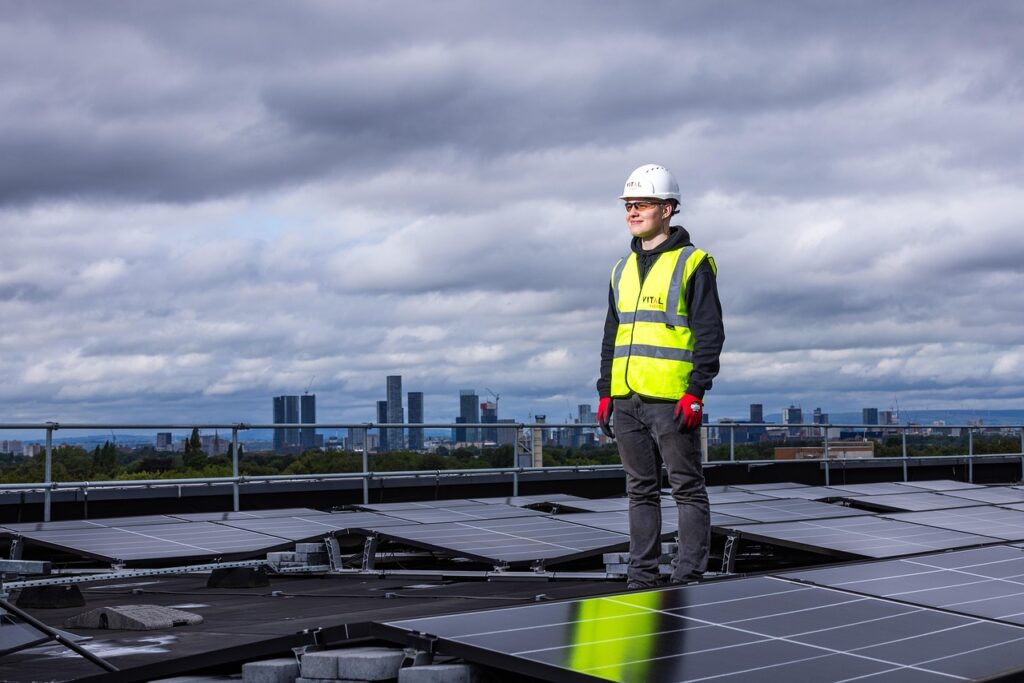
South Africa’s energy sector is undergoing a major transformation, creating high demand for renewable energy specialists. With frequent load shedding and an increasing national focus on sustainability, careers in solar, wind, and green technology are booming. These roles not only offer strong earning potential but also allow professionals to contribute to building a more sustainable and energy-secure future for the country.
For example, a solar energy technician in Johannesburg might install and maintain panels for residential and commercial clients, ensuring systems run efficiently and safely. Meanwhile, engineers working on wind farm projects along the Western Cape coastline are helping to generate clean energy for thousands of homes, while also reducing carbon emissions. Beyond installation and engineering, renewable energy professionals are needed in project management, research and development, policy advising, and sales for green technology companies. Even entrepreneurs can capitalise on the growing demand by starting solar installation businesses or energy consultancy services.
Salary insight
Entry-level renewable energy technicians or installers typically earn between R12,000–R25,000 per month, depending on experience and location. Engineers and specialists working on large-scale renewable projects earn R40,000–R70,000 per month, and senior project managers or consultants in the field can earn even more, particularly when managing international or commercial projects.
How to prepare
A career in renewable energy requires a mix of technical knowledge, practical experience, and continuous learning. Start by pursuing a qualification in electrical engineering, renewable energy, or sustainable technologies from a recognised institution. Many courses offer hands-on training in solar panel installation, wind turbine maintenance, and energy efficiency systems. Internships and apprenticeships with renewable energy companies provide invaluable experience—installing solar systems, performing energy audits, or assisting in project management can give you a competitive edge.
Staying updated on industry trends is also crucial. Renewable energy technology is constantly evolving, from smart grid systems to battery storage solutions, and professionals who adapt quickly remain highly sought after. Joining local and international renewable energy associations, attending workshops, and networking with industry leaders can also open doors to higher-level positions or consultancy opportunities.
Ultimately, a career in renewable energy in South Africa offers both purpose and reward. Whether you are installing solar panels in a suburban home, designing a wind farm, or consulting on energy efficiency for a corporation, this industry provides meaningful work, strong growth potential, and the chance to be part of the country’s sustainable future. By combining education, practical experience, and ongoing learning, you can establish a thriving career in one of the fastest-growing and most impactful sectors today.
10. Human Resources (HR) and Talent Management

In today’s competitive South African job market, businesses are realizing that their people are their greatest asset. This has made Human Resources (HR) and talent management one of the most in-demand career paths across industries. HR professionals do more than hire and fire—they shape company culture, develop employee skills, and ensure that organizations operate efficiently while keeping employees motivated and productive.
For example, an HR manager in Johannesburg may oversee recruitment campaigns for a multinational company, ensuring that every hire not only has the right skills but also fits the company culture. In Durban, a talent management specialist could design employee development programs, helping junior staff progress into leadership roles. HR professionals also manage critical processes like payroll, benefits, conflict resolution, and compliance with labor laws, making them indispensable to any organization.
Salary insight
Entry-level HR assistants or coordinators typically earn R12,000–R18,000 per month, while mid-level HR managers earn R35,000–R60,000 per month. Senior HR directors or talent management heads in large corporations can earn R80,000–R120,000 per month, reflecting the strategic value of their expertise. Those who specialize in areas such as organizational development, employee wellness, or HR analytics can often command higher salaries.
How to prepare
A career in HR requires a combination of education, interpersonal skills, and hands-on experience. Begin by studying Human Resource Management, Industrial Psychology, or Business Administration at a recognized institution. Internships, learnerships, or graduate programs are invaluable for gaining practical exposure to recruitment, employee relations, and HR administration. For instance, working as an HR intern in a medium-sized business can provide experience in hiring, performance reviews, and conflict management—all critical skills for future career growth.
Technology is also reshaping HR. Familiarity with HR software, payroll systems, and analytics platforms is increasingly essential. Professionals who understand HR analytics, workforce planning, and talent optimization tools are highly sought after. Networking with other HR professionals, attending workshops, and joining professional associations like SA Board for People Practices (SABPP) can provide mentorship and keep you updated on industry trends.
Ultimately, a career in HR and talent management offers more than just a paycheck—it provides the opportunity to shape organizations, support employee growth, and create positive workplace cultures. With the right education, practical experience, and a commitment to continuous learning, HR professionals in South Africa can enjoy rewarding, impactful, and high-demand careers.
Final Thoughts
South Africa’s job market may be competitive, but opportunities are everywhere if you know where to look. By focusing on in-demand careers and understanding the salaries and skills required, you can make smarter decisions about your future.
At The Career Wiz, we provide career advice, job listings, and guides tailored to South Africans who want to grow, switch careers, or enter high-demand industries. With the right preparation, dedication, and guidance, your career can thrive in today’s competitive landscape.
Start planning your career today, explore in-demand industries, and stay informed with The Career Wiz—your trusted guide for navigating the South African job market.